


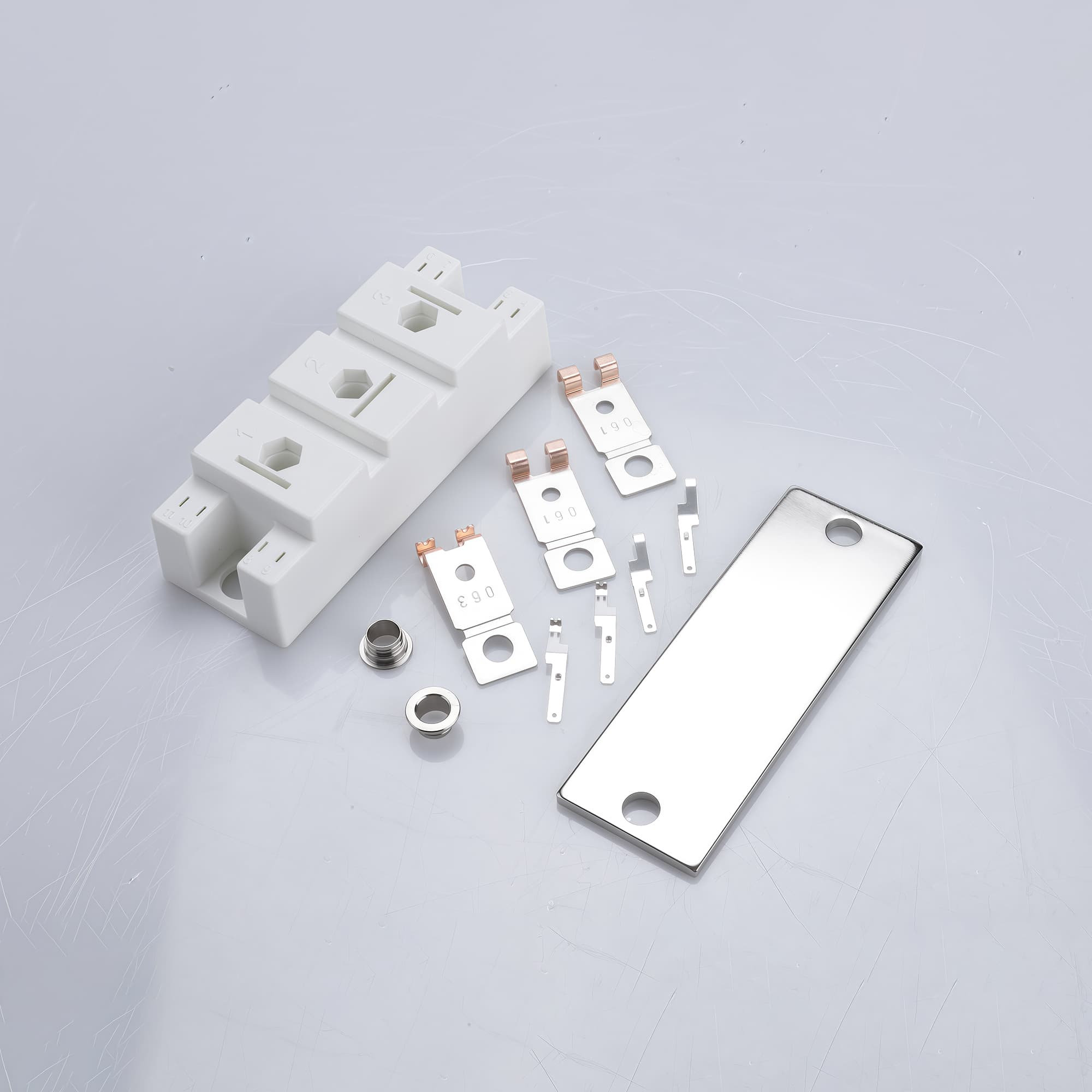
01 / 12 models
IGBT Module Components
Kits, module bases and power terminals for IGBT module assembly.
- Physical form
- Module kits, bases and power terminals, with materials and dimensions specified for each model.
- Kits
- Module bases
- Power terminals
Electronic component manufacturing
Stamped contacts, springs and terminals plus moulded parts, produced in Yinzhou, Zhejiang.

Slide 1 of 3: Electronic component manufacturing
Product families
Explore IGBT kits, bases and terminals alongside stamped contacts, springs and shielding parts. Compare the model, material and specifications for your application.
01 / 12 models
Kits, module bases and power terminals for IGBT module assembly.
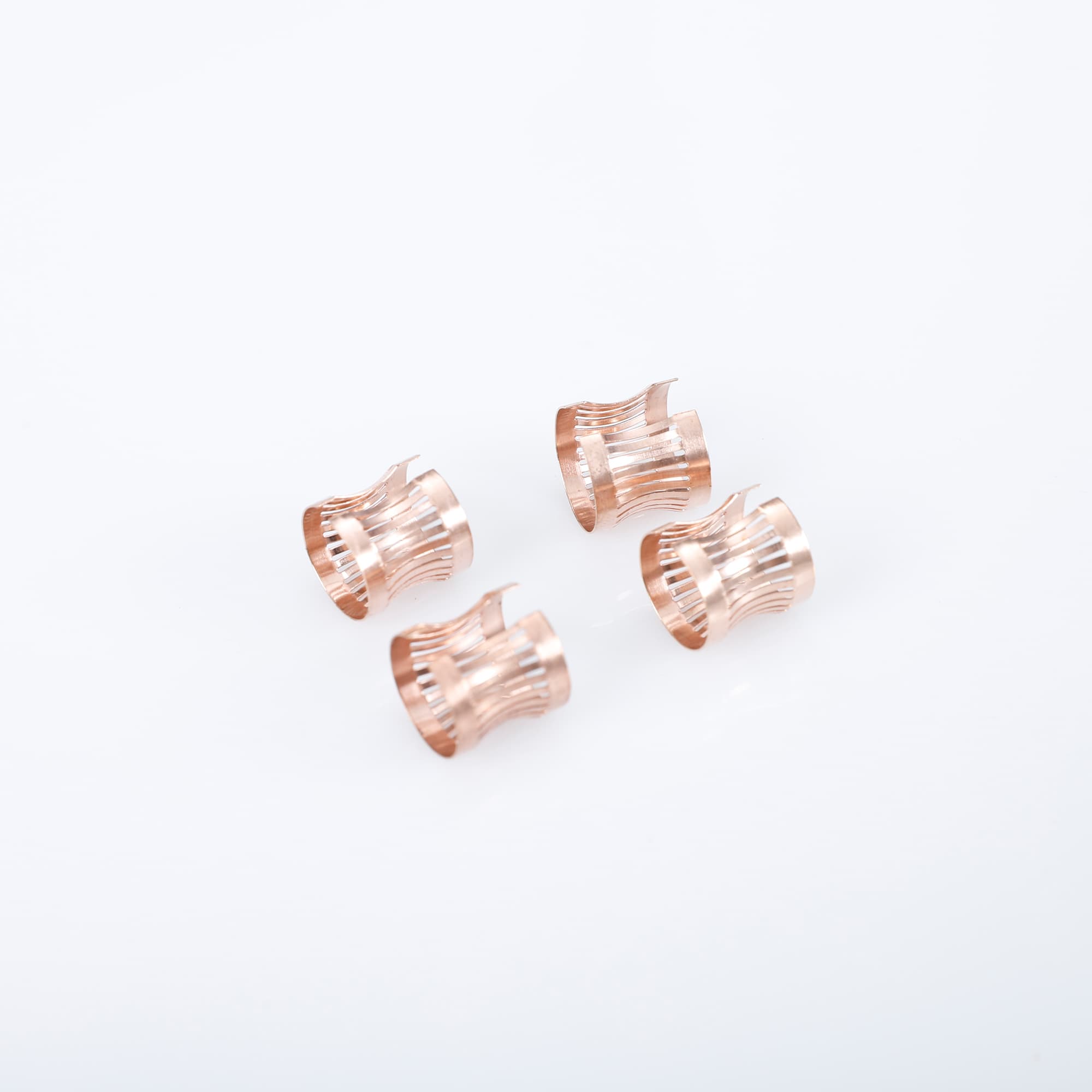
02 / 44 models
Contacts, springs, terminals and shielding components.
The smoke alarm insect-proof mesh is a PVC plastic electronic accessory, so it is listed separately from the metal stampings.
View accessoriesApplication fit
Find the product that matches the assembly you are building. Each use lists the catalogue parts that apply.
Contact and spring parts that sit inside appliance switches and controls.
Switch springs for electric curtain controls.
Kits, base plates and power terminals used to assemble IGBT modules.
A metal shielding cover and a separate PVC insect-proof mesh for alarm assemblies.
Tooling to production
Drawing review, tooling, production and inspection are planned around each component's requirements.
Step 1
Your drawing or sample defines the part. CAD, DWG, STEP, PDF and IGS files are accepted.
Step 2
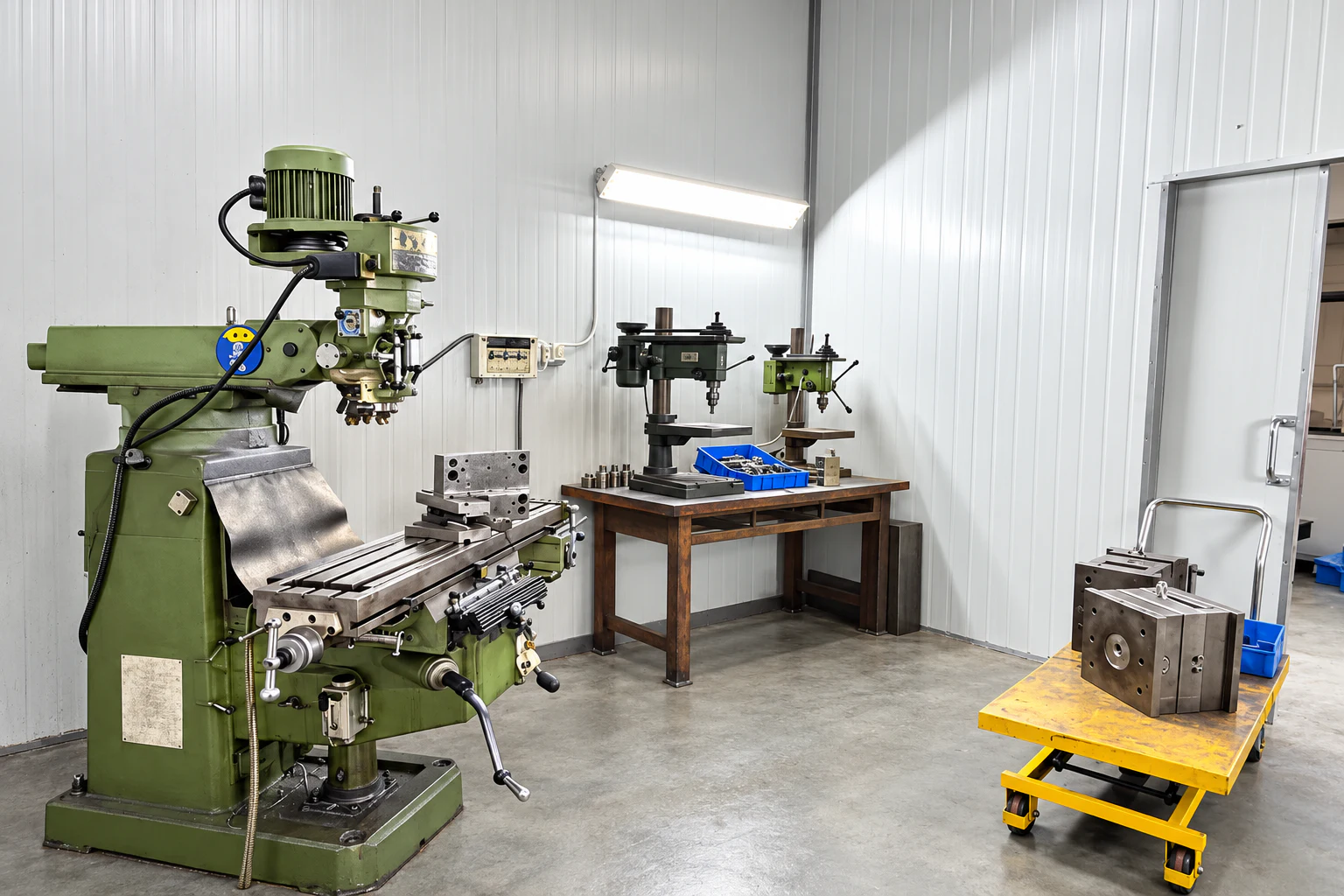
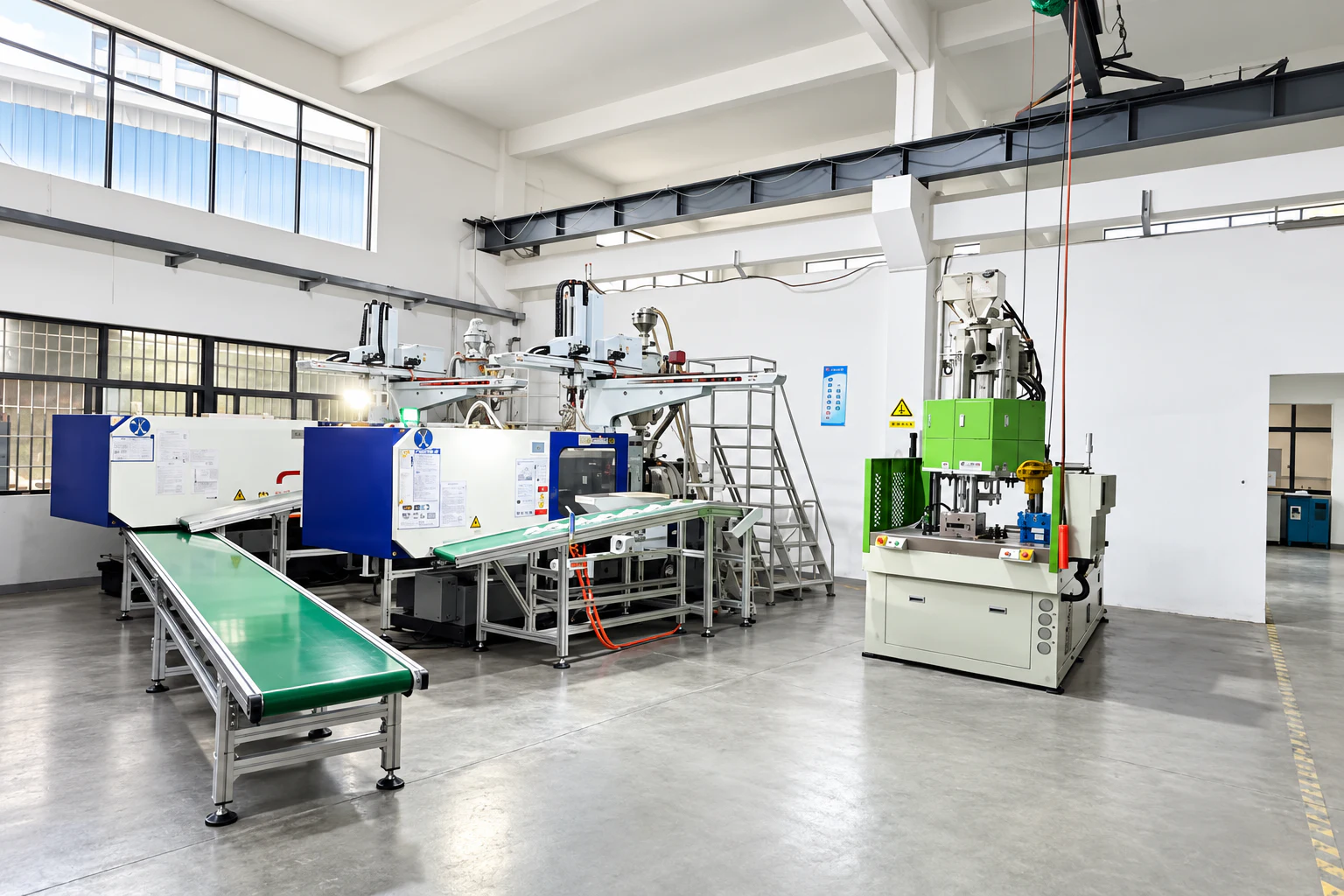
Stamping and moulding tooling is prepared with in-house machining equipment.
Step 3
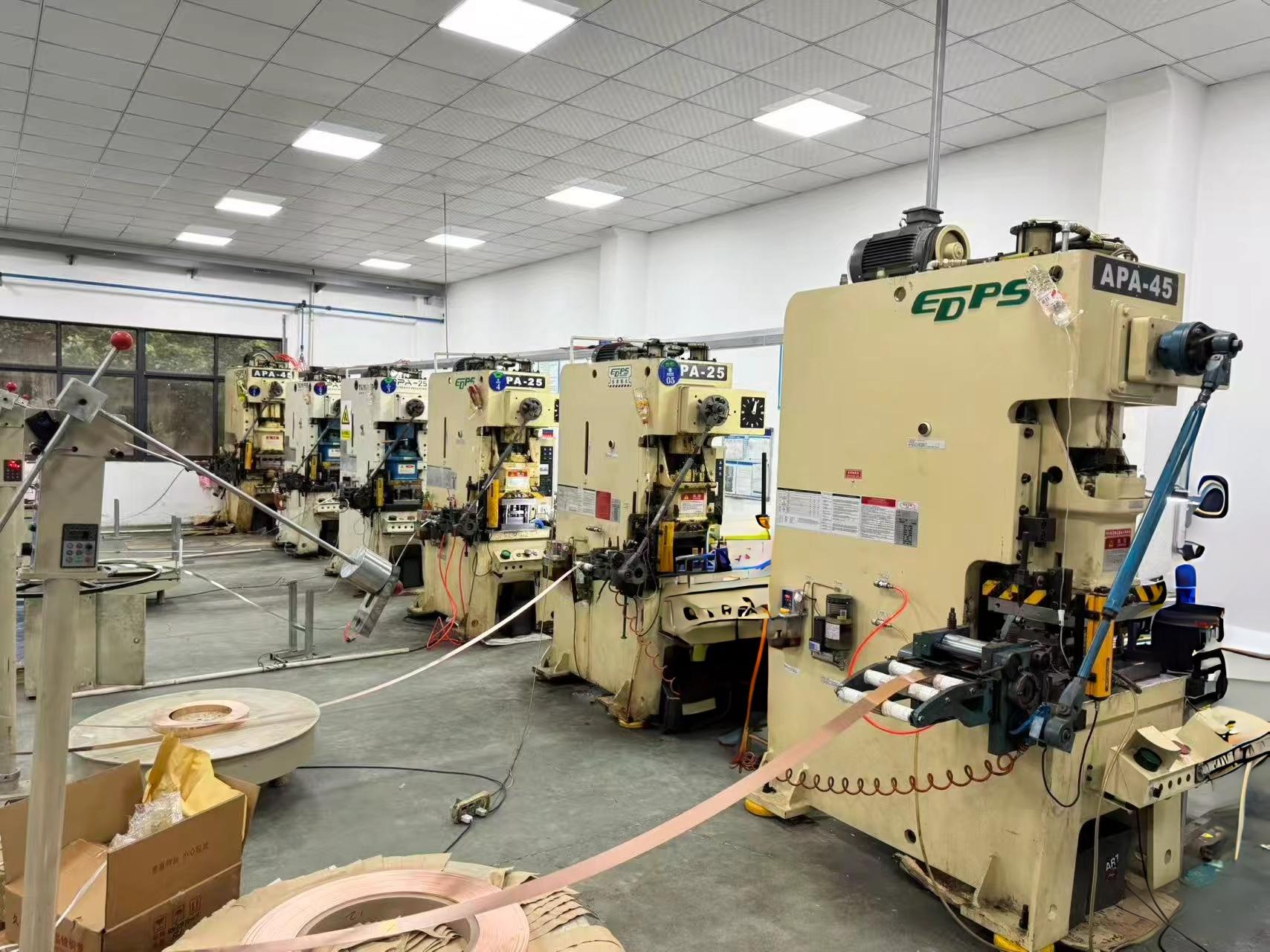
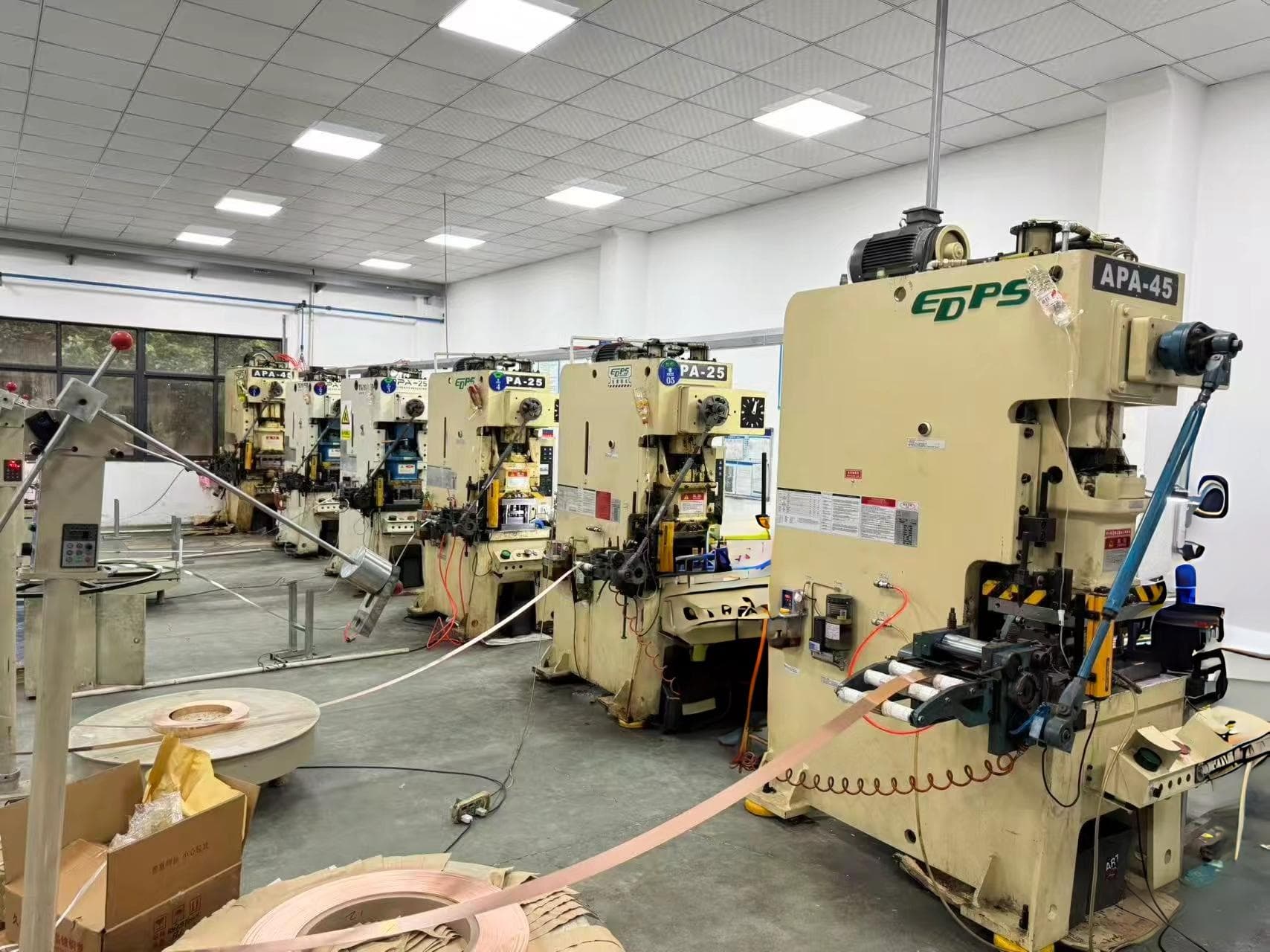
Parts are formed on automatic presses or moulded on injection machines.
Step 4
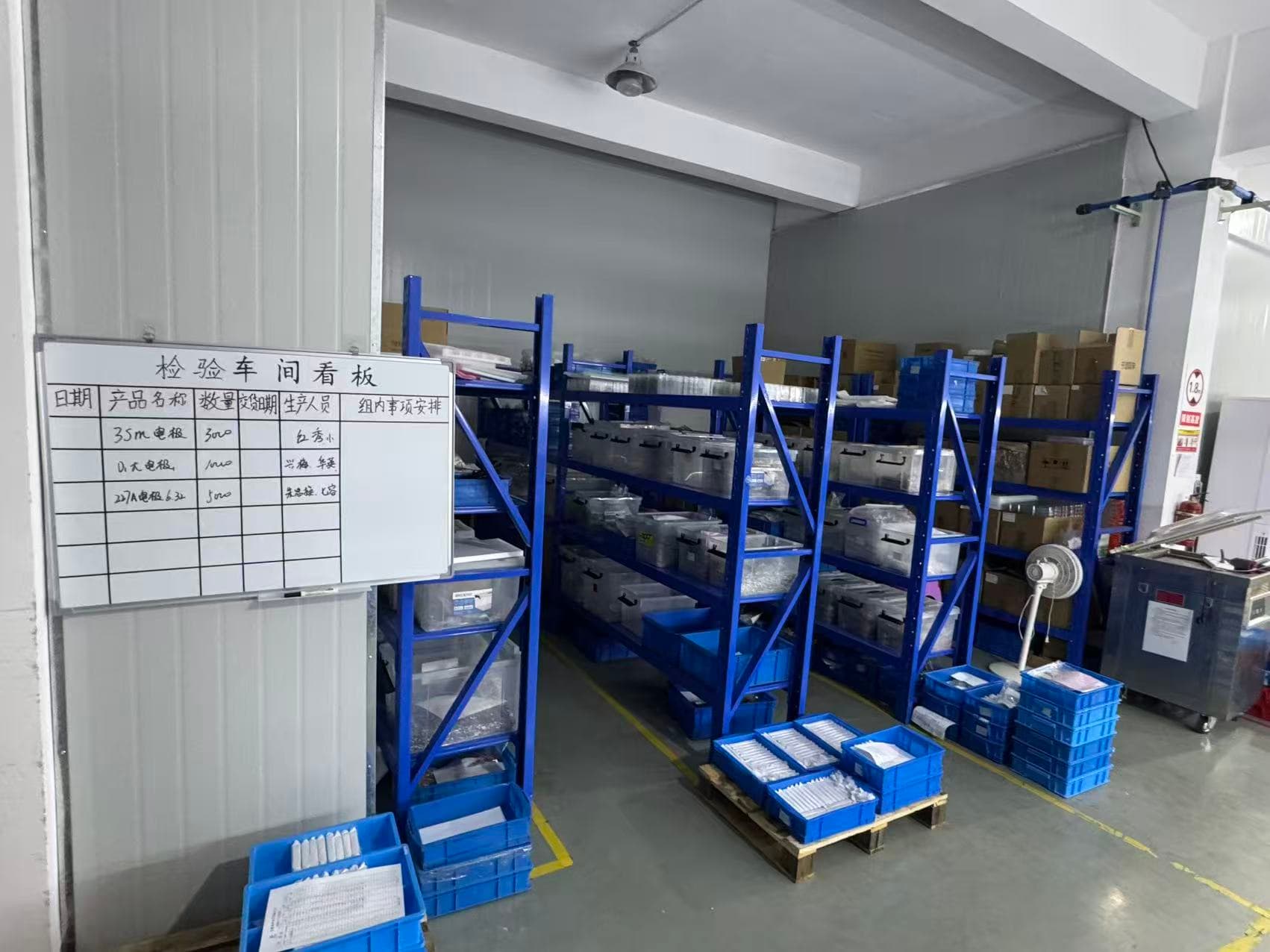
Finished parts pass through the inspection workshop before they are packed.
Materials and finishes
General characteristics of the materials we work with. Final material choice is confirmed against your drawing. PVC is a plastic used for accessories only.
Type: Metal
Typical role: Current-carrying contacts and terminals
High electrical conductivity; soft, so used where spring force is not critical.
Type: Metal
Typical role: Terminals, sleeves and sheet parts
Copper-zinc alloy that stamps and machines readily with good conductivity.
Type: Metal
Typical role: Spring contacts
Copper-tin alloy chosen where repeated flexing and conductivity are both needed.
Type: Metal
Typical role: High-strength spring contacts
Copper alloy that can be heat treated to a high spring strength.
Type: Metal
Typical role: Springs and structural parts
Corrosion-resistant steel; lower conductivity than copper alloys.
Type: Metal
Typical role: Spring and force parts
Material grade and heat treatment are selected to suit the part specification.
Type: Metal
Typical role: Shielding covers and housings
Tin-coated steel sheet, commonly used for formed covers and shields.
Type: Metal
Typical role: Lightweight conductive or support parts
Low weight with good conductivity; softer than copper alloys.
Type: Plastic, not a metal
Typical role: Electronic accessories such as insect-proof mesh
Non-conductive plastic used for accessory parts, never for metal contacts.
Quality control
Finished parts are checked in the inspection workshop. Explore our inspection facilities and company certificates.
6 documents
Manufacturing scale
Presses, machining, tempering and moulding sit in the same Yinzhou facility.
Established2018
Production area2,280m²
Sampling and orders
Order quantity follows the MOQ stated on each product page. Lead times below are separate estimates, each with its own condition.
Share your drawing requirements, or describe the part and its application.
The part is reviewed against your drawing and a sample is prepared for approval.
Confirm the quantity, which must meet the MOQ shown on that product, and schedule production.
Your inquiry will ask for the quantity and for the drawing or specification you have.